
What is Hypoglycemia?
Hypoglycemia means your blood sugar level is lower than normal. In most cases, this happens when blood sugar drops below 70 mg/dL. For many people in the United States, hypoglycemia is a common concern, especially for those with diabetes. However, it can affect anyone. Blood sugar is important because your body and brain need it for energy. When levels fall too low, you may feel unwell or even faint. Early recognition is key to staying safe.
Common Symptoms of Hypoglycemia
Recognizing low blood sugar symptoms early can help you act quickly. Symptoms may appear suddenly. For example, you might feel shaky or sweaty. Additionally, you may notice changes in mood or thinking. Here are some common signs:
Sometimes, symptoms can be mild. However, severe hypoglycemia can cause fainting or seizures. If you notice these signs, act quickly to raise your blood sugar.
Causes and Risk Factors
There are several causes of hypoglycemia. Most often, it happens in people with diabetes who use insulin or certain pills. However, other factors can also play a role. For example, skipping meals or exercising more than usual can lower blood sugar. Here are some common causes and risk factors:
Additionally, some rare tumors or illnesses can cause hypoglycemia in people without diabetes. Always talk to your doctor if you have frequent low blood sugar episodes.
How Hypoglycemia is Diagnosed
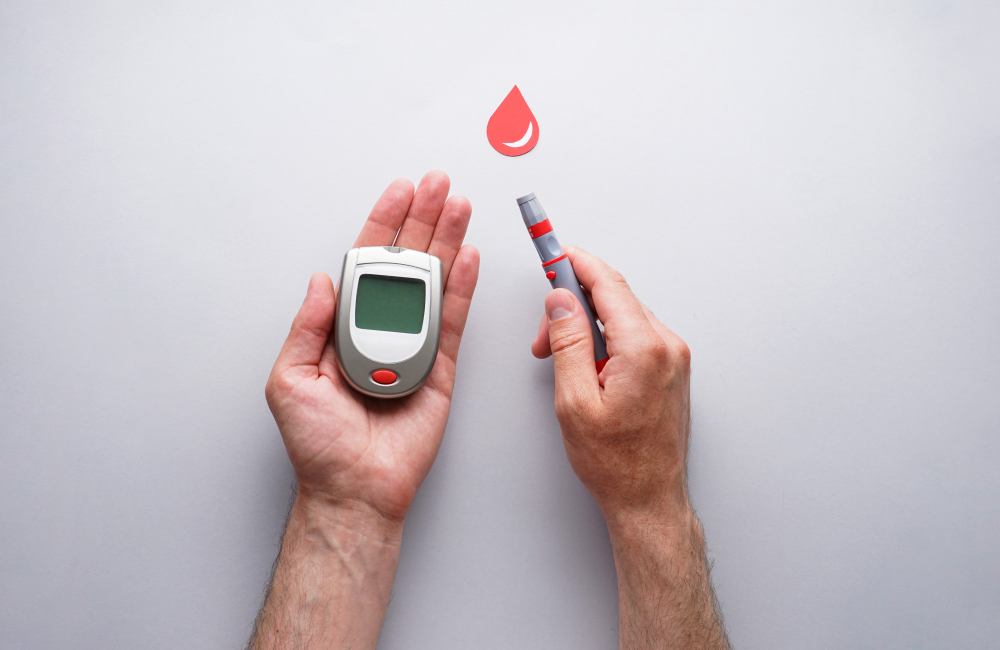
Doctors use several steps to diagnose hypoglycemia. First, they ask about your symptoms and medical history. Next, they may check your blood sugar with a finger-prick test. If your blood sugar is below 70 mg/dL and you have symptoms, you likely have hypoglycemia. Sometimes, doctors order more tests to find the cause. For example, they may check your hormone levels or look for other health problems. According to the CDC, keeping a record of your symptoms and blood sugar readings can help your doctor make a diagnosis.
Treatment Options
Treating hypoglycemia quickly is important. If you feel symptoms, check your blood sugar right away. If it is low, eat or drink something with sugar. For example, you can try:
Wait 15 minutes, then check your blood sugar again. If it is still low, repeat the steps. After your blood sugar returns to normal, eat a small snack if your next meal is more than an hour away. For severe cases, someone may need to give you a glucagon injection. Always follow your doctor’s advice for hypoglycemia treatment options.
Lifestyle Tips and Prevention
Preventing hypoglycemia is possible with a few simple steps. For example, you can plan your meals and snacks. Additionally, you should monitor your blood sugar often, especially if you take insulin. Here are some tips to help prevent low blood sugar:
With these steps, you can lower your risk of hypoglycemia and feel more confident each day.
When to Seek Medical Help
Sometimes, hypoglycemia can be serious. If you cannot raise your blood sugar or if you faint, call for help right away. Additionally, seek medical care if you have frequent low blood sugar episodes. Your doctor can help adjust your treatment plan. Remember, untreated hypoglycemia can lead to seizures or unconsciousness. Always take symptoms seriously and act fast.
For personalized advice on managing hypoglycemia, consult a healthcare professional at DRM Multi Speciality Hospital. Your doctor can help you stay safe and healthy.