
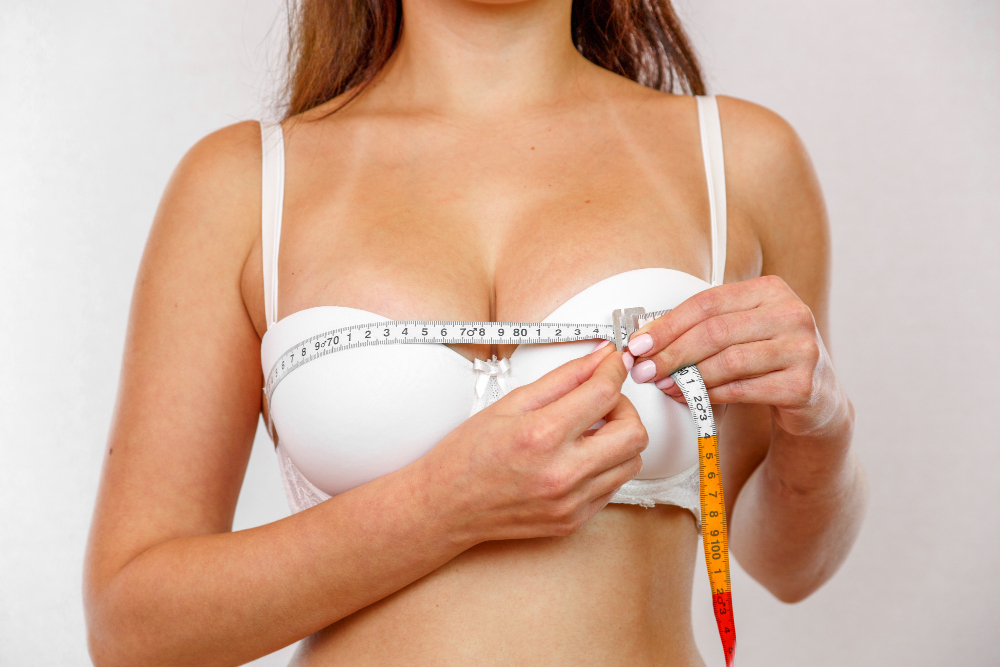
What Is Breast Augmentation?
Breast augmentation is a surgical procedure that increases breast size or changes breast shape. Doctors often use implants or fat transfer to achieve the desired look. Many people choose breast augmentation to boost confidence or restore breast volume. The breast augmentation procedure is one of the most popular cosmetic surgeries worldwide. According to the American Society of Plastic Surgeons, thousands of people have this surgery each year.
Common Reasons for Breast Augmentation
People choose breast augmentation for many reasons. For example, some want to enhance their appearance. Others may want to restore breast shape after pregnancy or weight loss. Sometimes, breast augmentation helps correct uneven breasts. Here are some common reasons:
Because everyone’s goals are different, it is important to discuss your wishes with a plastic surgeon.
Types of Breast Implants and Surgical Options
There are two main types of breast implants: saline and silicone. Each type has its own benefits and risks. In addition, some people may choose fat transfer instead of implants. Let’s look at the main options:
Besides the type of implant, you can also choose where the surgeon places the implant and where the incision is made. Options include under the breast, around the nipple, or in the armpit. Your surgeon will help you decide what is best for you.
The Procedure: Step-by-Step Overview
Knowing what to expect can help you feel more comfortable. Here is a step-by-step overview of the breast augmentation procedure:
Most breast augmentation surgeries take one to two hours. Because the procedure is usually outpatient, you can often go home the same day.
Benefits and Expected Outcomes
Breast augmentation offers many benefits. For instance, it can improve self-confidence and body image. Many people feel happier with their appearance after surgery. Here are some expected outcomes:
However, results can vary. It is important to have realistic expectations and talk openly with your surgeon.
Risks, Complications, and Safety Considerations
Like any surgery, breast augmentation has risks. Although most people have a safe experience, problems can occur. Here are some possible risks of breast augmentation:
Because safety is important, always choose a board-certified plastic surgeon. The U.S. Food and Drug Administration (FDA) and the World Health Organization (WHO) recommend regular follow-ups after breast implants. If you notice pain, swelling, or changes in your breast, contact your doctor right away.
Recovery Process and Aftercare Tips
Recovery after breast augmentation is different for everyone. However, most people return to normal activities within a few weeks. Here is what you can expect during breast augmentation recovery:
Because proper care helps healing, always attend your follow-up appointments. If you have any concerns, call your doctor.
Frequently Asked Questions (FAQs)
When to Consult a Plastic Surgeon
If you are thinking about breast augmentation, it is best to consult a board-certified plastic surgeon. They can answer your questions and help you understand your options. Because every person is unique, a personalized approach is important. Schedule a consultation to discuss your goals, concerns, and the best breast implant options for you.
Consult a board-certified plastic surgeon at DRM Multi Speciality Hospital for personalized advice on breast augmentation.