
Introduction
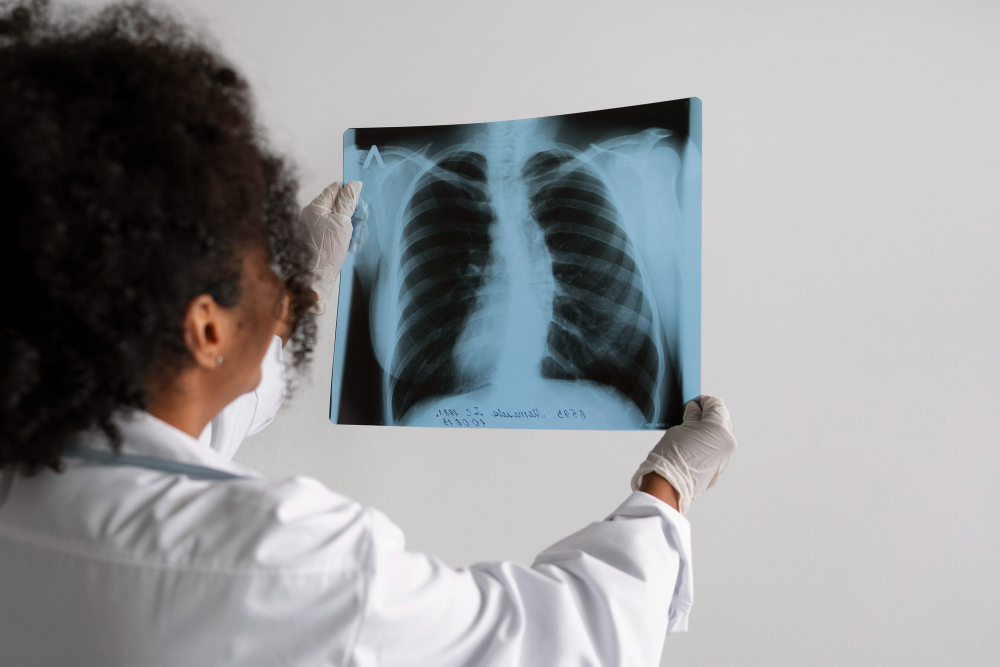
Lung cancer is a serious disease that affects millions of people worldwide. It starts in the lungs and can spread to other parts of the body. Early signs of lung cancer can be hard to notice, but knowing them helps. Understanding lung cancer symptoms, causes, and treatment options can save lives. In this blog, you will learn about lung cancer, its symptoms, causes, diagnosis, treatment, and prevention. Staying informed is the first step to better lung health.
What is Lung Cancer?
Lung cancer happens when cells in the lungs grow out of control. These cells form a lump called a tumor. Sometimes, the tumor spreads to other organs. There are two main types of lung cancer:
Both types can cause serious health problems. However, early detection can improve treatment results.
Symptoms of Lung Cancer
Lung cancer symptoms may not appear early. But as the disease grows, you may notice changes. Watch for these common signs:
Sometimes, these symptoms are caused by other conditions. Still, it is important to see a doctor if you notice any of them.
Causes and Risk Factors
Many things can increase your risk of lung cancer. The main cause is smoking. However, even non-smokers can get lung cancer. Here are some common risk factors:
While you cannot control all risk factors, you can lower your risk by making healthy choices.
How Lung Cancer is Diagnosed
Doctors use several tests to diagnose lung cancer. First, they ask about your symptoms and health history. Then, they may order tests such as:
Early diagnosis improves the chances of successful treatment. Therefore, see your doctor if you have symptoms or are at high risk.
Treatment Options for Lung Cancer
Lung cancer treatment options depend on the type and stage of cancer. Your doctor will suggest the best plan for you. Common treatments include:
Sometimes, doctors use a mix of these treatments. Side effects can happen, but your care team will help manage them.
Prevention and Lifestyle Tips
Although not all lung cancers can be prevented, you can lower your risk. Try these tips:
Making healthy choices every day can help protect your lungs.
When to See a Doctor
If you notice any lung cancer symptoms, do not wait. For example, a cough that will not go away or chest pain should be checked. Early action can make a big difference. Also, if you have a family history or other risk factors, talk to your doctor about screening. Regular check-ups can catch problems early.
Conclusion
Lung cancer is a serious disease, but early detection and treatment can save lives. Knowing the symptoms, causes, and prevention tips helps you stay informed. If you have concerns or notice symptoms, consult a healthcare specialist at DRM Multi Speciality Hospital for personalized advice on lung cancer.