
What is Hypertension?
Hypertension, also called high blood pressure, is a common health problem. It means the force of blood against your artery walls is too high. Over time, this can damage your heart and blood vessels. In fact, many people do not know they have hypertension. Because of this, it is often called the “silent killer.” Knowing your blood pressure numbers is key to protecting your heart health and preventing high blood pressure complications.
Why Knowing Your Numbers Matters
First, understanding your blood pressure numbers helps you stay healthy. Blood pressure is measured with two numbers. The top number (systolic) shows the pressure when your heart beats. The bottom number (diastolic) shows the pressure when your heart rests. For example, a normal reading is usually around 120/80 mmHg. If your numbers are higher, you may have hypertension. Early detection allows you to take steps to prevent heart disease, stroke, and kidney problems. According to the CDC, nearly half of adults in the United States have high blood pressure, but many do not know it.
Symptoms of Hypertension
Most people with hypertension do not notice any symptoms. However, some may experience:
Still, these signs often appear only when blood pressure is very high. Therefore, regular checks are important.
Causes and Risk Factors
Several things can increase your risk of developing hypertension. These include:
Because some risk factors cannot be changed, it is important to focus on what you can control.
How Hypertension is Diagnosed
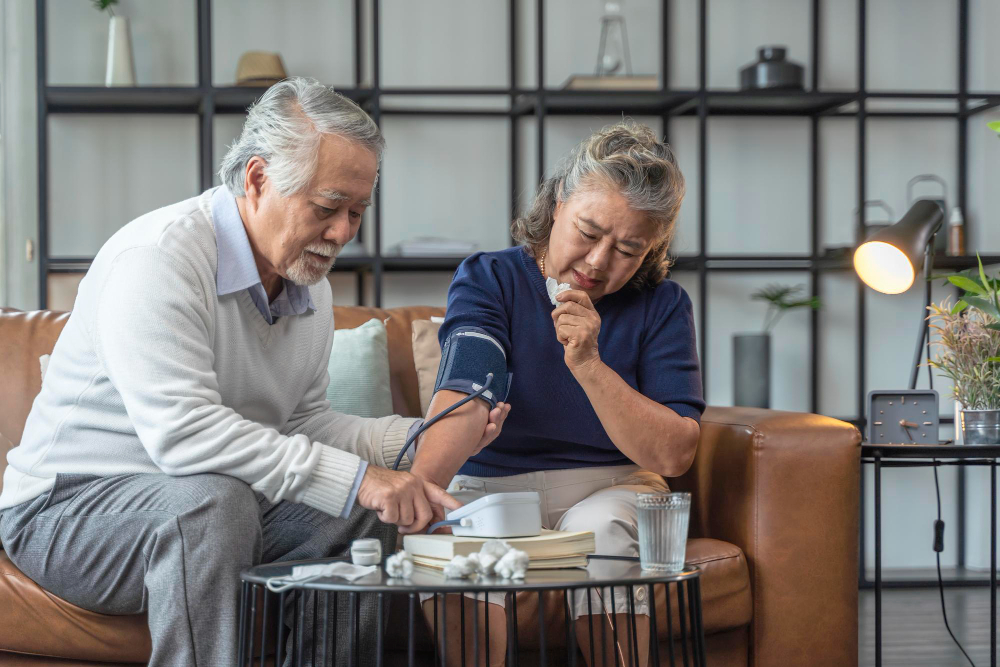
Doctors diagnose hypertension by measuring your blood pressure. Usually, they use a cuff placed around your arm. For an accurate diagnosis, your doctor may check your numbers on several visits. Sometimes, you may need to monitor blood pressure at home. This helps track changes over time. According to the American Heart Association, a reading of 130/80 mmHg or higher is considered high blood pressure.
Treatment Options
Treating hypertension often involves both lifestyle changes and medicine. Your doctor may suggest:
Sometimes, you may need more than one medicine. Always follow your doctor’s advice for the best results.
Lifestyle Tips for Managing Blood Pressure
Making healthy choices can help control your blood pressure. Try these tips:
Even small changes can make a big difference over time.
Prevention Strategies
Preventing high blood pressure is possible for many people. For example, you can:
Because prevention is easier than treatment, start healthy habits early.
When to See a Doctor
If you notice high blood pressure readings or experience symptoms like headaches or chest pain, see a doctor right away. At DRM Multi Speciality Hospital, we also recommend regular check-ups if you have a family history of heart disease. Early care can prevent serious complications and help keep your heart healthy.
In summary, knowing your blood pressure numbers is the first step to protecting your heart. Consult a healthcare professional at DRM Multi Speciality Hospital to understand your blood pressure levels and safeguard your heart health.