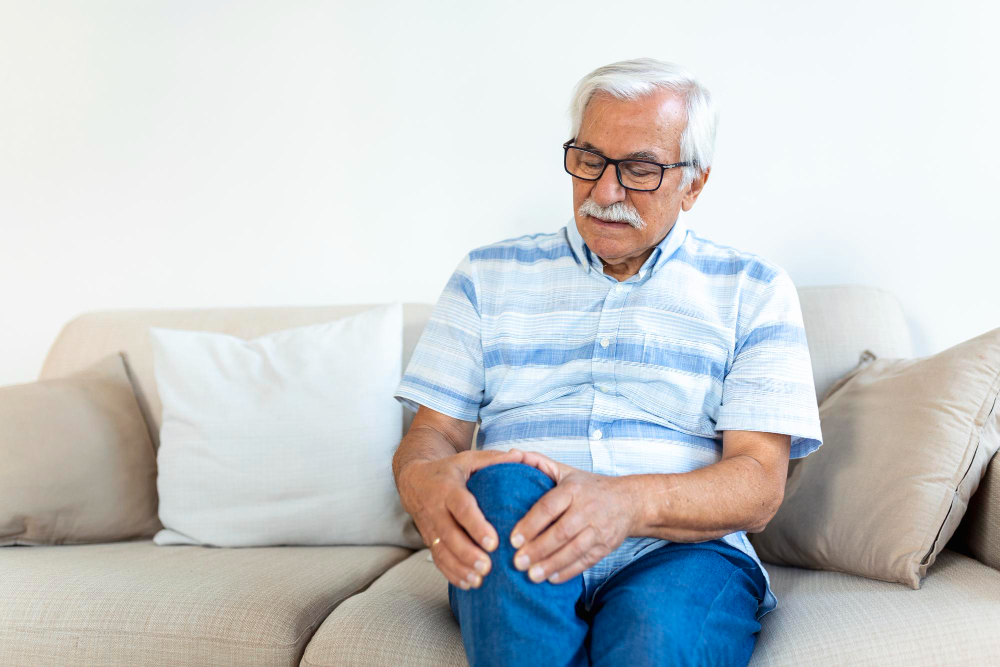
Knee Osteoarthritis Causes: What Leads to Joint Damage?

What Is Knee Osteoarthritis?

Knee osteoarthritis is a common joint problem. It happens when the cartilage in your knee wears down over time. As a result, the bones in your knee may rub together. This can cause pain, swelling, and stiffness. Many people wonder what causes knee osteoarthritis and how it develops. In this blog, we will explore the main causes, risk factors for knee osteoarthritis, and ways to lower your risk.

Main Causes of Knee Osteoarthritis

Several things can lead to osteoarthritis of the knee. Some causes are related to how your body works, while others are due to outside factors. Understanding these can help you protect your knees.

  • Cartilage Breakdown: Over time, the smooth cartilage that covers the ends of your knee bones can wear away. When this happens, the bones may grind against each other.
  • Joint Injury: Previous injuries, such as a torn ligament or broken bone, can damage the knee. Even after healing, these injuries may increase your risk.
  • Repeated Stress: Jobs or sports that put extra pressure on your knees can speed up cartilage loss.
  • Inflammation: Sometimes, swelling inside the knee can damage cartilage and other tissues.
  • According to the CDC, knee osteoarthritis is the most common type of arthritis in the US. It affects millions of adults, especially as they age.

    Risk Factors That Increase Your Chances

    Not everyone develops knee osteoarthritis. However, certain risk factors make it more likely. Knowing these can help you take action early.

  • Age: The risk goes up as you get older. Most cases happen in people over 50.
  • Genetics: If your parents or siblings have knee osteoarthritis, you may be more likely to get it too.
  • Obesity: Carrying extra weight puts more stress on your knees. This can speed up cartilage damage.
  • Gender: Women are more likely than men to develop knee osteoarthritis, especially after age 50.
  • Previous Knee Injuries: Old injuries, even from years ago, can raise your risk.
  • Repetitive Movements: Jobs or hobbies that involve kneeling, squatting, or heavy lifting can increase your chances.
  • Other Joint Problems: Conditions like rheumatoid arthritis or gout can also damage the knee.
  • For example, people in the US who are overweight or have a family history of arthritis are at higher risk. But, you can take steps to lower your chances.

    How to Reduce Your Risk

    While you cannot change your age or family history, you can still protect your knees. Here are some tips to help lower your risk of knee osteoarthritis:

  • Maintain a Healthy Weight: Losing even a small amount of weight can ease stress on your knees.
  • Stay Active: Regular exercise keeps your joints flexible and strong. Walking, swimming, and cycling are good choices.
  • Avoid Repetitive Knee Stress: If possible, limit activities that put extra pressure on your knees.
  • Protect Your Joints: Use proper techniques when lifting or moving heavy objects. Wearing knee pads during sports or work can also help.
  • Address Injuries Early: If you hurt your knee, see a doctor. Early treatment can prevent long-term damage.
  • Eat a Balanced Diet: Foods rich in vitamins and minerals support joint health.
  • According to the World Health Organization, healthy lifestyle choices can lower your risk of joint problems, including knee osteoarthritis.

    Conclusion

    Knee osteoarthritis can cause pain and limit your movement, but understanding its causes and risk factors can help you protect your joints. Staying active, maintaining a healthy weight, and practising proper joint care can significantly reduce your risk.

    Consult an orthopaedic specialist at DRM Multi Speciality Hospital for personalised advice on the causes, prevention, and management of knee osteoarthritis.