
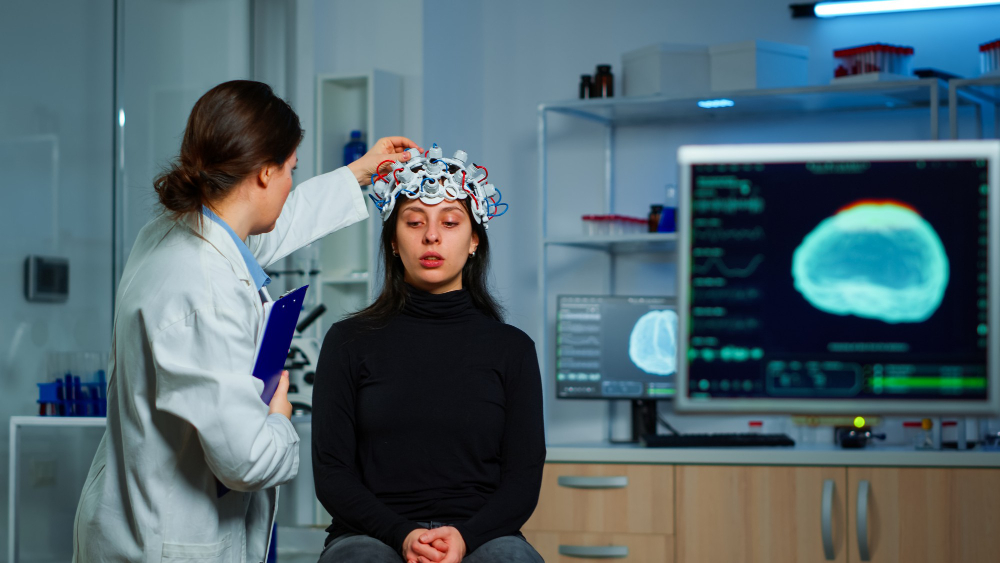
What is Epilepsy?
Epilepsy is a brain disorder that causes people to have seizures. A seizure is a sudden burst of electrical activity in the brain. Because of this, a person may lose awareness, move differently, or act in unusual ways. According to the World Health Organization (WHO), epilepsy affects about 50 million people worldwide. Although anyone can get epilepsy, it often starts in childhood or in older adults. For many, epilepsy can be managed with the right care. However, knowing the signs of epilepsy is important for early help.
Common Signs and Symptoms of Epilepsy
Epilepsy symptoms can look different from person to person. Still, some signs are more common. If you notice these signs, it may be time to talk to a doctor. Here are some common signs of epilepsy:
Sometimes, these signs are mild. Other times, they can be more serious. Because symptoms can be brief, they may be hard to notice. But if you see these signs often, it is important to seek help.
When to Seek Medical Help
Not all seizures mean you have epilepsy. Still, you should see a doctor if you or someone you know:
Sometimes, seizures can be a sign of a serious health problem. Therefore, getting medical advice early can help find the cause and start treatment. If you are unsure, it is always safer to ask a doctor.
Living with Epilepsy: Basic Tips
Many people with epilepsy live full, active lives. However, some changes can help manage symptoms. Here are some basic tips:
With the right support, most people with epilepsy can manage their symptoms well. But regular check-ups are important to keep track of your health.
Conclusion
Epilepsy is a common brain disorder, but it can be effectively managed with the right care. Recognising the signs early helps in getting timely treatment and preventing complications. If you or someone you know shows symptoms of epilepsy, do not wait.
Consult a neurologist at DRM Multi Speciality Hospital for personalised advice and expert care for epilepsy management.